Overboard
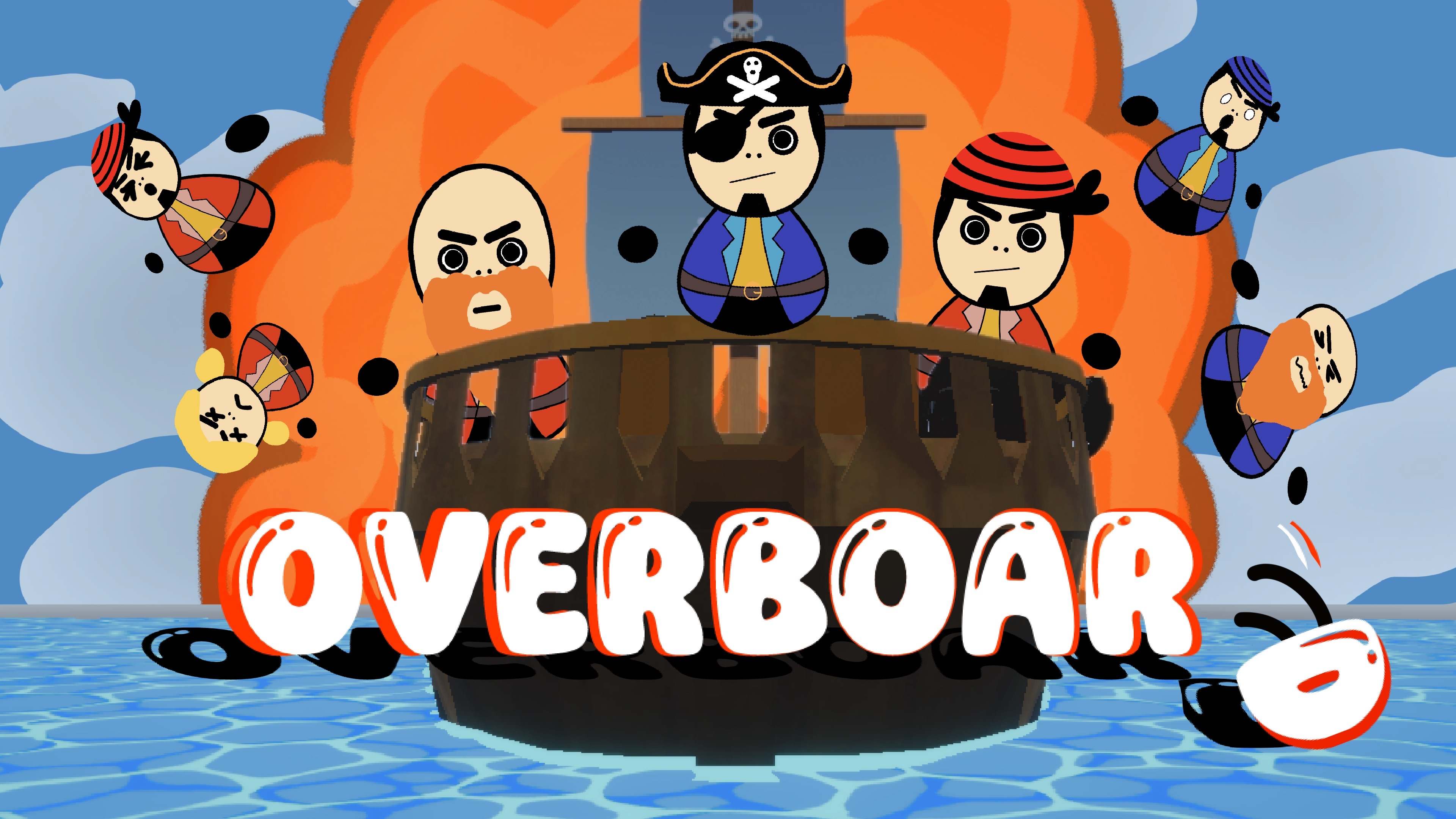
Chaotic 4v4 pirate party game where players cooperate to keep their ship afloat while sabotaging the enemy crew.
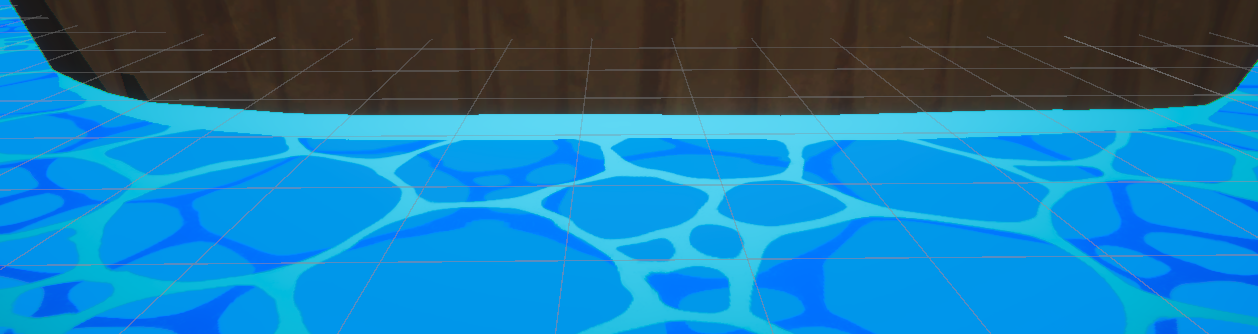
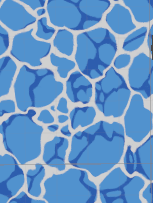
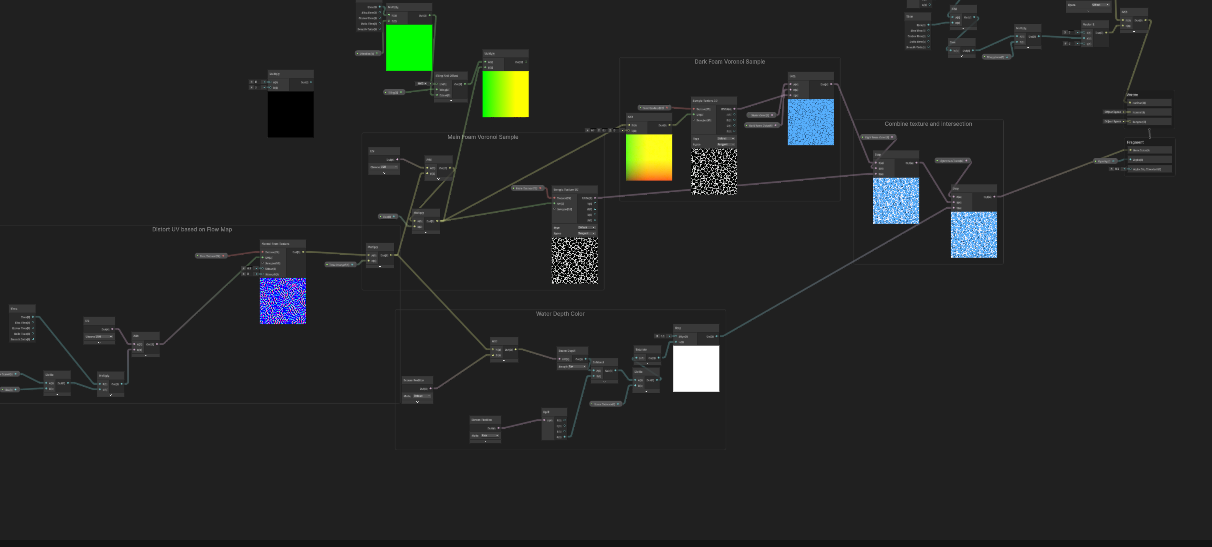
Water Shader Graph - Voronoi-based stylized water
Explosion VFX
VFX & Gameplay Effects
Role: Technical Artist / VFX Artist / UI Artist
Shader development, real-time VFX, UI design, and visual feedback systems for the stylized pirate aesthetic.
Overview
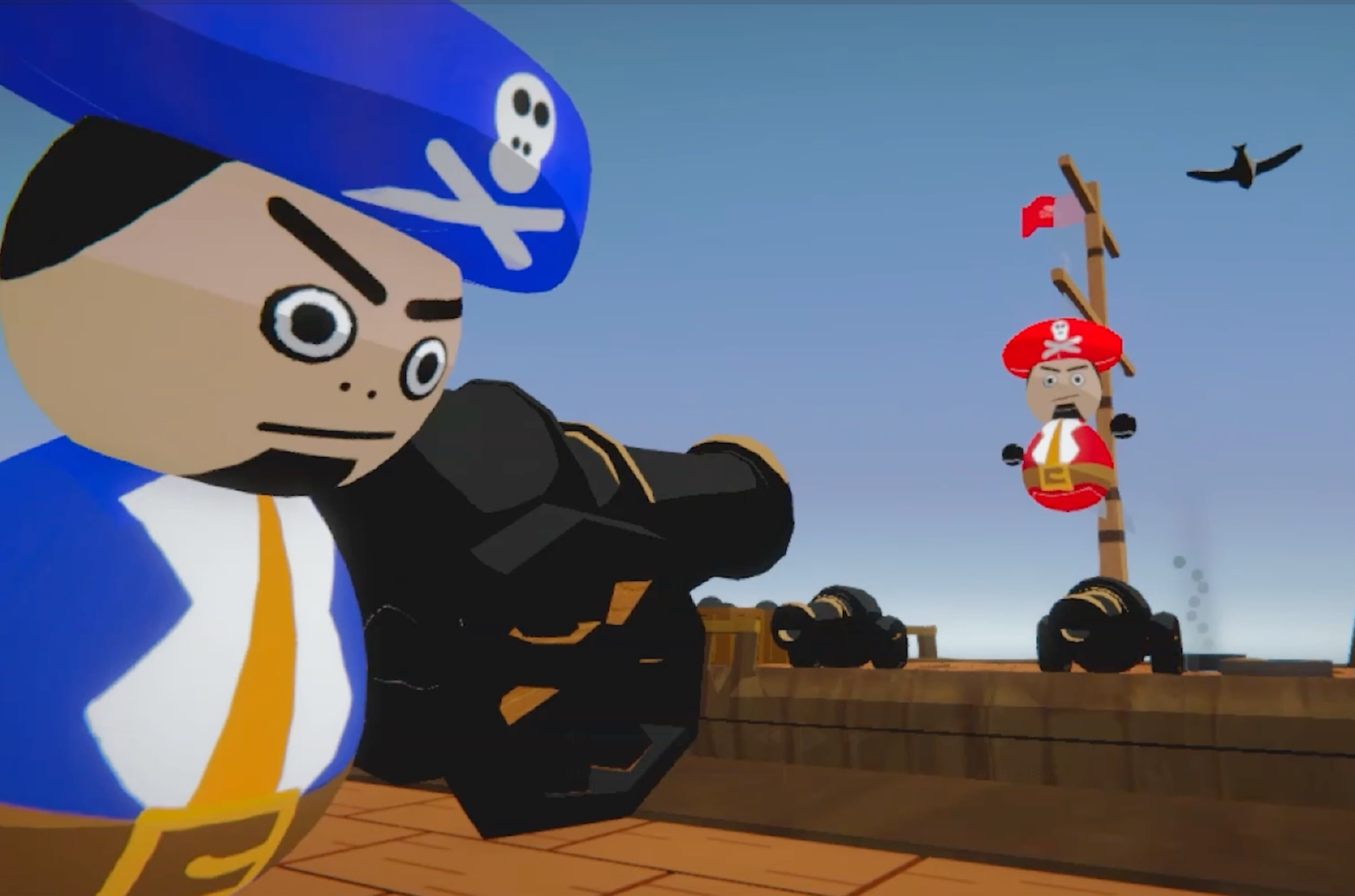
Overboard is a chaotic 4v4 pirate party game where players cooperate to keep their ship afloat while sabotaging the enemy crew. Players load cannons, repair damage, and sometimes "accidentally" push teammates overboard. Crews can also board enemy ships to disrupt their operations and create chaos. The gameplay emphasizes fast-paced teamwork, unpredictable interactions, and physical comedy.
Stylized Water Shader
To match the playful tone of the game, I created a toon-styled water shader inspired by The Legend of Zelda: Wind Waker using Unity's Shader Graph.
Scrolling Water Motion
The shader scrolls the water surface to create the illusion of ship movement. Exaggerated foam makes the motion clearly visible from the top-down camera angle. Vertex displacement adds subtle wave motion.
Designer-Exposed Parameters
All shader settings (water speed, foam intensity, colors) are exposed for designers to adjust without touching code.
Intersection Effects
I added intersection shading so that boats and objects visually interact with the water surface. This prevents objects from appearing to float unrealistically on top of the water.
Toon Shading
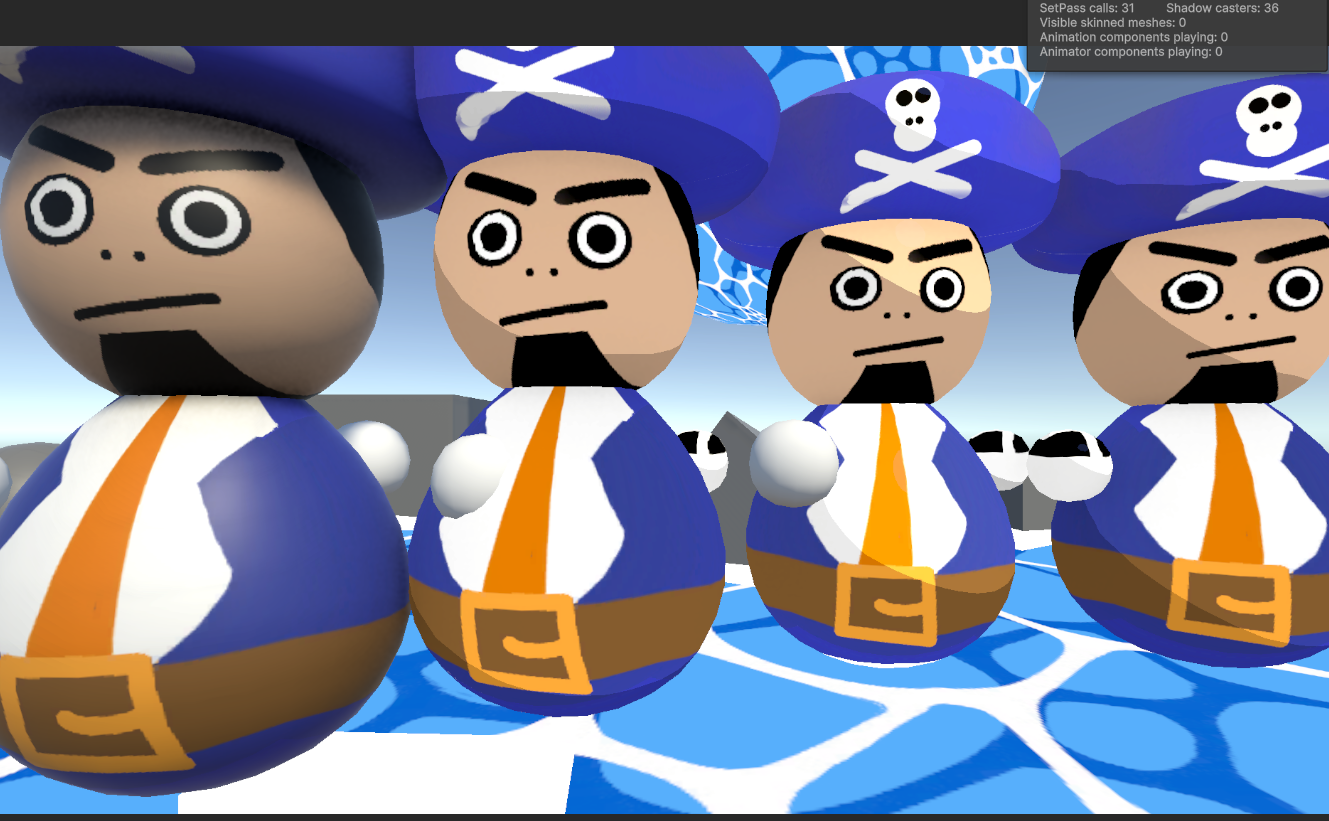
Tested multiple toon shader approaches and had the team vote on the final style.
Unlit with Shadows
The team voted for an unlit toon look, but URP doesn't give you shadow support out of the box for unlit shaders. I had to write custom shadow functions and modify the URP render passes to make the unlit materials both cast and receive shadows - sampling the shadow maps manually and blending them into the flat-shaded output so the characters still read with proper depth on the ship.
Fallback System
Built a URP Lit version as a fallback for comparison and testing.
Procedural Animation Shaders
Flag Animation
Boat flags are animated using vertex displacement driven by sine wave functions. The shader performs simple real-time vertex deformation to simulate wind movement. This approach avoids skeletal animation and allows flags to animate entirely on the GPU.
Sail Simulation
Vertex animation shader to simulate boat sails reacting to wind forces.
- • Vertex displacement driven by procedural animation
- • Gradient texture controlling deformation strength
- • Exposed parameters for designer adjustment
- • Transparency for player visibility behind sails
Stencil-Based Rendering Effects
I implemented several stencil-based techniques to improve gameplay readability.
Player Visibility
A stencil pass ensures that players remain visible even when partially obstructed by objects on the ship.
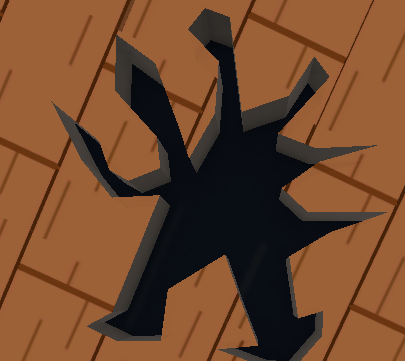
Boat Damage Depth Effect
Stencil-based shader makes crack decals appear to have real depth into the hull - an alternative to procedural boat destruction. Required Z-buffer modifications and URP render order adjustments.
Visual Effects (VFX)
I created several gameplay effects using Unity's particle system.
Cannon Impact
Stylized explosion with hand-drawn 16-frame smoke animation
Muzzle Flash
Visual feedback for cannon firing events
Dash Effect
Motion-based particles for player dash actions
Interaction FX
Lightweight effects for gameplay interactions
UI Design
Hand-drawn UI matching the game's stylized aesthetic
All VFX and UI designed for clarity in chaotic 8-player gameplay.